CPA

what is a cpa
Outsource Bookkeeping Services
CPA

Why Should Small Businesses Outsource Bookkeeping Services?

Why Should Small Businesses Outsource Bookkeeping Services? Outsourced bookkeeping means hiring an external professional or bookkeeping firm to manage your financial records instead of doing it yourself or employing an in-house staff member. But for small business owners, it’s much more than that. Outsource bookkeeping is an act of recruiting a professional for managing their financial records. Bookkeeping firms or any individual bookkeeping expert can organsie the  It means you stop spending late nights reconciling bank statements. It means you stop guessing your profit margins. It means tax season stops feeling like a threat. When you outsource bookkeeping, a dedicated expert handles transaction categorization, bank reconciliation, financial reporting, expense tracking, and compliance. You gain clarity on your numbers without having to do it yourself. Small business owners often start by “trying to manage it all.” But as revenue grows, transactions increase, and complexity builds, bookkeeping becomes a distraction from what actually makes money — running and growing your business. Outsourcing is not an expense. It’s a strategic move to gain control, accuracy, and peace of mind. 5 Powerful Reasons to Outsource Bookkeeping Outsourcing bookkeeping is not about convenience alone. It’s about smarter business decisions. Small business owners who outsource don’t just save time — they gain leverage. Here are five powerful reasons why outsourcing can change how your business operates and grows. Time Efficiency: Time is your most valuable asset as a business owner. Every hour you spend managing spreadsheets is an hour not spent generating revenue, building relationships, or scaling operations. Bookkeeping is repetitive, detailed, and time-consuming. Reconciling accounts, tracking expenses, correcting errors — it adds up quickly. Many small business owners underestimate the number of hours they lose each month trying to keep their books updated. Outsourcing immediately frees up that time. Instead of worrying about whether transactions are categorized correctly, you can focus on strategy. Instead of stressing about missed entries, you can focus on clients. That mental shift alone increases productivity. You didn’t start your business to become a bookkeeper. You started it to build something profitable. Cost-Effective: Hiring an in-house bookkeeper sounds stable — until you calculate the real cost. Salary. Payroll taxes. Benefits. Office space. Software subscriptions. Training. For small businesses, these expenses add up quickly. Outsourcing eliminates most of these overhead costs while still giving you professional-level financial management. With outsourced bookkeeping, you typically pay a fixed monthly fee. No benefits. No long-term contracts. No recruitment costs. No downtime when someone takes leave. You get the expertise without the employee liability. For many small business owners, outsourcing can reduce bookkeeping costs by 30–50% compared to hiring internally while improving quality. Access to Expertise (Experience-Based Knowledge) When you outsource bookkeeping, you are not hiring one person. You are tapping into experience. Professional bookkeeping firms work with multiple businesses across industries. They’ve seen common mistakes, tax pitfalls, cash flow issues, and compliance risks. That experience protects you. Small errors in bookkeeping can lead to large financial consequences. Misclassified expenses, missed deductions, and inaccurate reports — these can affect taxes, loans, and strategic decisions. An experienced outsourced bookkeeper understands financial statements deeply. They know how to prepare accurate reports, identify red flags, and maintain compliance. You gain a financial partner — not just a data entry service. Better Financial Management: Accurate bookkeeping is the foundation of smart business decisions. If your numbers are wrong, your decisions will be wrong. Outsourced professionals use structured processes and double-check systems to ensure accuracy. Monthly reconciliations, clean reporting, and up-to-date financial statements provide clarity. You gain access to: Profit & Loss statements Balance Sheets Cash Flow Reports Expense breakdowns Instead of guessing how your business is performing, you see it clearly. Clear numbers mean confident decisions. Confident decisions lead to growth. Scalability and Flexibility Your bookkeeping needs today will not be the same next year. As your revenue grows, so do transactions. You may hire staff. Expand services. Launch new products. Growth creates complexity. Outsourced bookkeeping grows with you. Instead of hiring additional employees or restructuring your internal team, your bookkeeping service adjusts. More transactions? They handle it. New revenue streams? They integrate them. Seasonal spikes? Covered. You gain flexibility without operational stress. Scalability is essential for growing small businesses. Outsourcing allows your financial management to expand smoothly without disrupting your operations. Risk Mitigation Small business owners rarely think about bookkeeping in terms of risk — until something goes wrong. Late tax filings. Incorrect financial reports. Missed compliance deadlines. Cash flow surprises. These are not just bookkeeping errors. They are business risks. When you outsource bookkeeping, you reduce exposure to costly mistakes. Professionals follow structured processes. They reconcile accounts monthly. They track deadlines. They maintain organized documentation. That discipline protects your business. Accurate records reduce the chance of tax penalties. Clean books improve audit readiness. Clear reporting prevents cash flow disasters. Most financial problems don’t happen overnight. They build quietly through small bookkeeping errors that compound over time. Outsourced bookkeeping creates a safety net before problems escalate. Risk mitigation isn’t dramatic. It’s strategic. And for a growing business, reducing financial risk is one of the smartest decisions you can make. Enhanced Technology and Tools Bookkeeping today is powered by technology — but most small business owners underuse it. Outsourced bookkeeping services operate on advanced cloud-based platforms. They leverage automation, integrations, and real-time dashboards to give you better visibility into your finances. Instead of manually entering data, transactions sync automatically. Instead of guessing your monthly numbers, you see updated reports anytime. Professional bookkeeping services often use: Cloud accounting software Automated expense tracking Secure document sharing Real-time financial reporting Integration with payroll and invoicing systems This level of efficiency would cost thousands to implement internally. When you outsource, you gain access to enterprise-level tools without the enterprise-level expense. Technology enhances accuracy. Automation reduces human error. Real-time visibility improves decision-making.  And as a business owner, having clear financial data at your fingertips changes how confidently you operate. Stress Reduction One of the biggest hidden burdens of running a small business is financial

Bookkeeping Cost for a Small to Medium Sized Business
CPA

How Much Does Bookkeeping Cost for a Small to Medium Sized Business?

Bookkeeping Cost for a Small to Medium Sized Business: Complete Pricing Guide Understanding bookkeeping and accounting processes is essential for any small to medium-sized business. Without accurate financial records, companies struggle to measure performance, manage cash flow, or plan for growth. As technology advances, more businesses are turning to virtual bookkeeping services as a cost-effective and flexible solution. But the big question remains: how much does bookkeeping actually cost for a small to medium-sized business? The answer depends on several factors, including the level of service required, whether the bookkeeper is in-house or outsourced, and how complex the company’s financial operations are. Let’s break it down clearly. What Is a Virtual Bookkeeping Service? Virtual bookkeeping services represent a modern approach to managing financial records. Instead of hiring a traditional in-office bookkeeper, businesses work with a virtual bookkeeper who operates remotely using cloud-based accounting software. Most small businesses begin with basic bookkeeping services that include transaction categorization, bank reconciliation, expense tracking, and financial reporting. As businesses grow, they may require more advanced managerial accounting or financial analysis services. Software programs such as QuickBooks, NetSuite, and other cloud accounting platforms are widely used in virtual bookkeeping. These systems allow business owners to access financial data in real time, even if they are not trained bookkeepers or accountants. One of the major advantages is continuity. Even if a company changes bookkeeping providers, the financial data remains accessible within the software. Choosing the right virtual bookkeeping service depends on business size, financial complexity, and long-term goals. However, most small businesses benefit from starting with a structured, cloud-based bookkeeping system early on. Costs for In-Person Bookkeepers and Accountants Hiring an in-person bookkeeper or accountant comes with traditional employment costs. For a small business, this option may provide hands-on financial management but often involves significant overhead. A part-time in-house bookkeeper may charge hourly, typically ranging from $25 to $60 per hour depending on experience and location. If working 20 hours per week, this could total $2,000 to $4,800 per month. While hiring part-time initially helps control costs, the expenses can quickly increase as workload grows. A full-time in-house bookkeeper typically earns between $3,000 and $4,500 per month, not including benefits. Once you factor in payroll taxes, health insurance, retirement contributions, office space, equipment, and software subscriptions, the true cost rises significantly. If your business requires more advanced financial oversight, you may also need an accountant or accounting firm. Accountants often charge monthly flat rates based on service tiers, which can add another $1,000 to $5,000 per month depending on complexity. In-house bookkeeping provides direct control, but the long-term financial commitment is substantial. For small to medium-sized businesses focused on cost efficiency, this may not always be the most practical solution. Outsourced Bookkeeping Costs in Comparison Outsourced bookkeeping services offer an alternative that balances expertise with flexibility. The cost of outsourced bookkeeping typically ranges from $500 to $7,500 per month. This wide range depends on transaction volume, service level, reporting needs, and payroll management requirements. For many small businesses, monthly outsourced bookkeeping services fall between $800 and $2,500. This usually includes transaction recording, reconciliation, financial reporting, and basic tax coordination. While outsourced bookkeeping may appear slightly more expensive than hiring a part-time bookkeeper on an hourly basis, there are hidden savings. Businesses only pay for services they use. There are no payroll taxes, no employee benefits, no training costs, and no need to provide office space. Outsourced bookkeeping also provides scalability. As your business grows, services can expand without requiring additional hiring or restructuring. This flexibility makes outsourced bookkeeping a popular choice for growing companies. The Cost Breakdown by Business Size For a small business with low transaction volume and straightforward finances, bookkeeping costs often range from $500 to $1,200 per month when outsourced. This includes basic reporting and reconciliation. For a medium-sized business with higher transaction volume, payroll processing, inventory tracking, or multiple revenue streams, bookkeeping costs typically range from $1,500 to $5,000 per month. Enterprise-level businesses or companies with complex financial requirements may exceed $7,000 per month, particularly if advanced financial analysis and reporting are included. Ultimately, bookkeeping cost is directly linked to complexity. The more transactions, employees, accounts, and compliance requirements involved, the higher the service level required. Benefits of Virtual Bookkeeping Services Virtual bookkeeping services provide several advantages beyond cost savings. One of the most significant benefits is reduced overhead. Since services operate digitally, there is minimal startup investment. All financial documentation is managed through secure cloud-based systems. These systems allow business owners to access financial reports at any time. Real-time access improves decision-making and increases transparency. Instead of waiting for monthly summaries, business owners can monitor cash flow and expenses instantly. Virtual bookkeeping also simplifies collaboration. Documents such as receipts and invoices can be uploaded digitally. Reports are shared securely. Communication happens efficiently without physical meetings. Another major benefit is flexibility. A virtual bookkeeper is not limited to office hours in the same way an in-person employee might be. Remote teams often provide broader availability and faster turnaround times. Bookkeepers Versus Accountants: Understanding the Difference Understanding the difference between a bookkeeper and an accountant is essential when evaluating costs. A bookkeeper focuses on recording and organizing financial transactions. This includes tracking income, expenses, payroll entries, and reconciliations. Their primary role is to ensure that financial records are accurate and up to date. An accountant, on the other hand, analyzes and interprets financial data. Accountants prepare financial statements, advise on tax strategy, and ensure compliance with regulatory requirements. Certified Public Accountants (CPAs) receive advanced training and handle complex financial matters. Most small to medium-sized businesses eventually require both services. A virtual bookkeeping service may handle daily recordkeeping while an accountant oversees tax filings and strategic planning. Is Outsourced Bookkeeping Worth the Cost? For most small to medium-sized businesses, outsourced bookkeeping offers a strong balance between affordability and expertise. Instead of committing to full-time employee costs, businesses gain access to professional financial management at a predictable monthly rate. The key advantage is cost

Tax and Bookkeeping Services for Small Businesses
CPA

Tax and Bookkeeping Services for Small Businesses

Tax and Bookkeeping Services for Small Businesses Managing a small business is already demanding. Between serving customers, managing staff, and driving revenue growth, handling taxes and bookkeeping can quickly become overwhelming. Yet these two financial functions are the backbone of long-term stability. Without organized records and structured tax planning, even profitable businesses can face unnecessary stress, compliance issues, or unexpected financial setbacks. Professional tax and bookkeeping services provide more than basic compliance. They deliver accurate financial records, organized reporting, and proactive tax planning within one integrated system. When bookkeeping and tax management operate together, your financial data becomes consistent and reliable. As a result, tax filings become easier, financial decisions become more strategic, and overall business operations run far more smoothly. Why Combining Tax and Bookkeeping Services Matters Many small business owners treat bookkeeping and tax preparation as separate responsibilities. They maintain records throughout the year, then rush to organize everything when tax deadlines approach. This disconnected approach often creates inaccurate financial statements, missed deductions, last-minute stress, higher tax liabilities, and increased audit risk. When tax and bookkeeping services are integrated, your financial information remains organized year-round. Clean books make tax preparation faster and more accurate. At the same time, consistent financial reporting allows for proactive tax planning that improves profitability. Instead of reacting to tax deadlines with urgency and uncertainty, you operate with preparation and clarity. What Our Tax and Bookkeeping Services Include Our tax and bookkeeping services are designed to give small businesses complete financial visibility and control. Monthly bookkeeping ensures that transactions are categorized accurately, bank and credit card accounts are reconciled, expenses are tracked correctly, and financial reports reflect your true performance. We also monitor accounts payable and receivable to maintain healthy cash flow. Clean and updated books form the foundation of effective tax management. Tax preparation and filing are handled with precision and timeliness. This includes preparing business tax returns, managing quarterly estimated payments, handling sales tax filings, ensuring payroll tax compliance, and organizing year-end documentation. Accurate filing reduces penalties and keeps your business fully compliant. Tax planning and strategy go beyond submitting returns. Strategic tax management identifies eligible deductions, evaluates your business structure, plans estimated payments properly, reduces unnecessary liabilities, and prepares your company for future expansion. Proactive planning eliminates surprises and strengthens long-term profitability. Benefits of Professional Tax and Bookkeeping Services Accurate bookkeeping ensures that tax calculations are based on reliable financial data. When records are organized and reconciled, tax filings become precise and defensible. Mistakes in bookkeeping inevitably lead to mistakes in taxes, which can be costly. Professional oversight prevents these issues before they escalate. Time savings is another major advantage. Small business owners often spend hours trying to manage spreadsheets and documentation. Outsourcing tax and bookkeeping services allows you to focus on revenue-generating activities rather than administrative tasks. This shift in focus can significantly impact productivity and growth. Reduced risk is equally important. Late filings, compliance penalties, and financial discrepancies become far less likely when professionals manage your records. Structured systems and consistent monitoring reduce the chances of costly errors. Better financial insight is perhaps the most powerful benefit. When bookkeeping and tax data align, you gain clear visibility into profit margins, expense patterns, cash flow trends, and growth opportunities. Instead of guessing your financial position, you rely on accurate data to guide decisions. Numbers become actionable rather than confusing. Who Needs Tax and Bookkeeping Services? Tax and bookkeeping services are valuable for a wide range of businesses. Small business owners seeking stability, startups establishing structured financial systems, service-based companies managing recurring income, e-commerce businesses handling high transaction volumes, contractors dealing with complex expense tracking, and professional firms requiring compliance oversight all benefit from integrated financial management. If you frequently feel uncertain about your numbers or experience stress during tax season, professional support is likely the next logical step. Organized financial management removes uncertainty and replaces it with clarity. How Our Process Works Our process begins with a thorough review of your current financial records. If your books require cleanup or reconciliation, we correct past inaccuracies to create a reliable starting point. Once records are accurate, we establish a consistent monthly bookkeeping structure that maintains organization moving forward. Tax planning strategies are then integrated into the bookkeeping system, ensuring that financial decisions align with tax efficiency goals. Regular reporting keeps you informed about performance, while ongoing communication ensures alignment with your business objectives. We do more than file returns — we build a financial framework that supports long-term growth. Why Choose Our Tax and Bookkeeping Services? Choosing professional tax and bookkeeping services means partnering with experienced professionals who understand small business challenges. Transparent pricing ensures you know what to expect without hidden surprises. Cloud-based secure systems protect your financial data while providing real-time access to reports. Responsive communication keeps you informed, and scalable support ensures that as your business grows, your financial systems grow with it. We operate as a financial partner, not just a service provider. Our goal is to create structure, accuracy, and strategic insight that strengthens your business foundation. Conclusion on Tax and Bookkeeping Services for Small Businesses Strong financial management is not optional for small businesses — it is essential. When tax preparation and bookkeeping operate within one coordinated system, confusion disappears, stress decreases, and financial control improves significantly. Integrated tax and bookkeeping services provide organization, compliance, and long-term strategic advantage. Instead of scrambling during tax season or worrying about reporting errors, you operate with clarity and confidence. Clean books and proactive tax planning protect profitability and support growth. Your business deserves structured financial management, strategic tax insight, and stability — not last-minute panic.

QuickBooks vs Xero
CPA

QuickBooks vs Xero: Which Platform Works Best With Professional Bookkeeping Services?

QuickBooks vs Xero: Which Platform Works Best With Professional Bookkeeping Services? Choosing the right accounting software is one of the most important decisions a small business can make. But when you’re working with professional bookkeeping services, the decision becomes even more critical. The platform you choose directly affects reporting accuracy, automation, collaboration, and long-term financial clarity. Two of the most popular cloud accounting tools today are QuickBooks and Xero. Both offer powerful features. Both support growing businesses. And both integrate well with professional bookkeeping services. But they are not identical. So the real question is not just “Which is better?” It’s: Which platform works best with professional bookkeeping services for your specific business needs? In this guide, we’ll break down QuickBooks vs Xero from the perspective of bookkeeping efficiency, scalability, reporting power, ease of collaboration, and long-term business growth. Why Accounting Software Matters for Professional Bookkeeping Services Before comparing features, let’s clarify something important. Professional bookkeeping services rely heavily on the structure, automation, and reporting strength of your accounting platform. The right software: Reduces manual entry errors Automates bank reconciliations Simplifies payroll processing Improves financial reporting accuracy Enables real-time collaboration  When bookkeeping services operate on an efficient system, you receive cleaner books, faster reporting, and stronger financial insight. Now let’s break down both platforms. QuickBooks Overview QuickBooks is one of the most widely used accounting platforms in the world. It has built a strong reputation among accountants and professional bookkeeping services because of its reliability, reporting depth, and flexibility for different business types. QuickBooks Online offers: Automated bank feeds Customizable financial reports Built-in payroll options Invoice and expense tracking Tax preparation support Third-party app integrations  For many professional bookkeeping services, QuickBooks is the default platform because it is familiar, structured, and highly detailed. It works especially well for small to mid-sized businesses that require customized reporting and detailed financial analysis. One of QuickBooks’ biggest strengths is its reporting capability. Bookkeepers can generate advanced Profit & Loss statements, balance sheets, and cash flow reports with custom filters. This makes it easier to provide strategic insights — not just record transactions. However, QuickBooks can feel slightly more complex for new users. The interface includes many tools, which is powerful but sometimes overwhelming for business owners who prefer simplicity.   Xero Overview Xero is a modern, cloud-based accounting platform designed with simplicity and automation in mind. It has become increasingly popular among startups, digital businesses, and companies working with remote bookkeeping services. Xero offers: Unlimited users (even in basic plans) Real-time bank reconciliation Strong automation features Clean, user-friendly dashboard Smart invoice tracking Strong third-party integrations  Where Xero stands out is collaboration. Because it allows unlimited users, it works seamlessly with professional bookkeeping services. Business owners, bookkeepers, and accountants can access the system simultaneously without restrictions. The interface is clean and modern. Many business owners find it easier to navigate compared to QuickBooks. It emphasizes automation and efficiency, which reduces manual bookkeeping work. However, some advanced reporting features in Xero are slightly less customizable compared to QuickBooks. For businesses that need very detailed financial breakdowns, this can be a consideration. QuickBooks vs Xero: Side-by-Side Feature Comparison When working with professional bookkeeping services, features are not just “nice to have” — they directly impact efficiency, reporting accuracy, and long-term financial clarity. Let’s compare the two platforms in the areas that matter most. Bank Reconciliation Both QuickBooks and Xero offer automated bank feeds and reconciliation tools. However, Xero is often praised for its smoother reconciliation interface, making daily transaction matching faster. QuickBooks, on the other hand, provides more detailed reconciliation tracking, which some professional bookkeeping services prefer for accuracy checks. Reporting Capabilities QuickBooks wins in advanced reporting flexibility. It allows deeper customization of Profit & Loss statements, balance sheets, and industry-specific reports. For businesses needing detailed breakdowns, this is a major advantage. Xero offers clean and clear reporting but may require add-ons for more complex customization. For many small businesses, though, its reporting is more than sufficient. Integrations Both platforms integrate with payroll systems, CRM tools, inventory software, and e-commerce platforms. QuickBooks has a slightly larger marketplace of third-party apps, but Xero’s integrations are equally strong for most business types. User Access & Collaboration Xero allows unlimited users even in entry-level plans. This is a strong advantage for businesses working with professional bookkeeping services, accountants, and internal staff simultaneously. QuickBooks limits users based on plan tier, which may increase costs as your team grows. Pricing Comparison Pricing is always a factor for small businesses choosing between QuickBooks and Xero. QuickBooks pricing typically scales based on features and number of users. Higher-tier plans unlock advanced reporting and additional user seats. Xero pricing also scales by features, but unlimited users are included in most plans, which can be more cost-effective for businesses with multiple collaborators. However, pricing should not be evaluated in isolation. The real cost is determined by: Efficiency gains Reporting quality Time saved Error reduction  When combined with professional bookkeeping services, the right platform often pays for itself through improved financial clarity. Ease of Use Ease of use matters — especially for business owners who want visibility without micromanaging their books. Xero is generally considered more intuitive and modern. Its dashboard design is clean, and the workflow is simple for everyday tasks. QuickBooks offers powerful features but may feel slightly more structured and detailed. Some users find it less visually streamlined, but bookkeeping professionals often appreciate its depth. If you prioritize simplicity and collaboration, Xero may feel easier. If you prioritize advanced reporting control, QuickBooks may offer more flexibility. Scalability for Growing Businesses As your business grows, your accounting system must grow with you. QuickBooks is often favored by businesses that anticipate complex reporting needs, payroll expansion, or industry-specific requirements. Its structured design supports scaling without losing control. Xero performs exceptionally well for startups and digital businesses. It handles growth efficiently, especially when integrated with automation tools. Both platforms support professional bookkeeping services at scale. The better choice depends on how complex your financial operations

Catch-Up Bookkeeping
CPA

7 Signs Your Business Needs Professional Bookkeeping Clean Up Services

Catch-Up Bookkeeping Services: Get Your Financial Records Back on Track Running a small business is challenging enough without having to worry about messy financial records. Yet for many business owners, bookkeeping often falls behind. Transactions pile up, reconciliations get delayed, and financial reports stop making sense. Over time, what started as a small oversight turns into a major problem. This is where bookkeeping clean up services become essential. These services are designed to fix disorganized records, correct past errors, and bring your books up to date. Instead of struggling to sort through months—or even years—of incomplete data, professional support helps restore accuracy and clarity. If you’re unsure whether your business needs help, here are seven clear signs that it may be time to consider professional bookkeeping clean up services. Behind on Books If your bank balance doesn’t match what your accounting software shows, that’s a serious red flag. Reconciliation issues are one of the clearest signs that your books need professional attention. Even small discrepancies can grow into larger financial problems if left unresolved. Unmatched transactions may mean duplicate entries, missing expenses, incorrect categorization, or unrecorded payments. Over time, these errors distort your financial reports and create confusion about your true cash position. You might think you have more money available than you actually do — or worse, less. Professional bookkeeping clean up services systematically reconcile every account, identify discrepancies, and correct errors. When your books align with your bank statements, your financial reports become trustworthy again. And trust in your numbers is the foundation of smart business decisions.  Unmatched Accounts Be honest — when was the last time you reviewed your Profit & Loss statement with confidence? If you find yourself avoiding financial reports because they seem confusing, inaccurate, or overwhelming, that’s a strong sign something isn’t right. Financial reports are supposed to provide clarity. If they create stress instead, your bookkeeping likely needs attention. Small business owners sometimes operate based on bank balance alone, ignoring detailed reports because they don’t trust the data. But without accurate reports, you can’t properly track growth, control expenses, or make informed strategic decisions. Bookkeeping clean up services restore the integrity of your financial statements. Once your records are accurate and organized, reports become powerful tools instead of sources of anxiety. Clear numbers replace guesswork, and you can finally make decisions backed by real data. Tax Season Stress: If tax season brings panic instead of preparation, your bookkeeping likely needs serious attention. Scrambling to find receipts, reconstruct income records, or explain inconsistencies to your accountant is not just stressful — it’s risky. When books are messy, tax filings become complicated. You may miss deductions, misreport income, or file late due to incomplete information. That can lead to penalties, audits, or unnecessary payments. Many small business owners overpay taxes simply because their records aren’t organized. Professional bookkeeping clean up services prepare your books so they are tax-ready year-round. Instead of rushing to fix months of errors in a few weeks, your financial data stays clean and organized. Tax season becomes a process — not a crisis. Confuse Reports: This is one of the most dangerous signs. If someone asked you today, “What’s your exact monthly profit?” — would you know the answer confidently? Without clean books, profitability becomes unclear. Revenue may look strong, but hidden expenses, miscategorized transactions, or missing entries can distort reality. Many business owners assume they’re profitable because cash is flowing, only to discover later that margins were thinner than expected. Bookkeeping clean up services correct misclassifications, reconcile income and expenses properly, and ensure accurate financial statements. Once the numbers are fixed, you gain real visibility into performance. And when you truly understand your profit, you can adjust pricing, control costs, and plan growth with confidence. Funding Preparation: If you’re preparing to apply for a business loan or attract investors, messy books can immediately damage your credibility. Lenders and investors don’t just look at your idea — they look at your numbers. And if your financial statements are incomplete, inconsistent, or inaccurate, approval becomes much harder. Banks typically require clean Profit & Loss statements, Balance Sheets, and cash flow reports. If your records are disorganized, you may face delays or outright rejection. Worse, you could lose funding opportunities simply because your books don’t tell a clear story. Professional bookkeeping clean up services ensure your financial records are accurate, reconciled, and professionally structured. When your books are clean, your business looks stable, reliable, and investment-ready. Strong books build trust. And trust opens doors. Outgrown DIY Bookkeeping In the early stages of business, managing your own books might feel manageable. But as transactions increase, payroll grows, sales channels expand, and expenses become more complex, DIY bookkeeping often becomes risky. What worked when you had 20 transactions a month won’t work when you have 500. At this stage, errors become easier to make and harder to detect. Time spent fixing spreadsheets steals time from strategy and revenue-generating activities. Many growing businesses reach a tipping point where DIY bookkeeping slows them down instead of supporting growth. Bookkeeping clean up services not only fix past mistakes but also create a structured system moving forward. Once your books are cleaned and organized, maintaining them becomes simpler and more sustainable. Growth requires strong foundations — and clean books are one of them. Conclusion on Catch-Up Bookkeeping Messy books don’t fix themselves. They grow more complicated, more stressful, and more expensive over time. If you’ve recognized even one of these signs — falling behind, mismatched accounts, confusing reports, tax anxiety, unclear profits, funding challenges, or outgrowing DIY systems — it may be time to act. Professional bookkeeping clean up services are not just about correcting numbers. They restore clarity, rebuild accuracy, and give you back control of your financial data. Clean books allow you to make confident decisions, reduce risk, and plan for real growth.

CPA

How to Michigan Paycheck Calculator Easily in 2025

Hey there! 😊 If you live or work in Michigan — or you just want to know how much you’ll actually take home after taxes — using a “Michigan paycheck calculator” can save you a lot of headache. I’ve done this many times for friends and family, so I know exactly where people get confused. It’s super easy once you know the steps. Don’t worry — I got stuck too at first, but we’ll walk through it together. In this article, I’ll show you how a Michigan paycheck calculator works (with real 2025-tax info), what you need, how to do it step by step, and common problems & fixes. I want you to feel confident when you punch in your numbers. And if you run a small business or manage payroll — I got you covered too 😉. (If you manage bookkeeping or payroll for others — our site offers helpful services like Tax Advisory and Filing, Monthly Bookkeeping, Payroll, Catch-Up Bookkeeping Services — which ties nicely when you calculate paychecks.) What You Need Before Using a Michigan Paycheck Calculator Before you start, gather a few bits of info. It’s like preparing ingredients before cooking. Your gross pay — this is what you earn before taxes (could be salary or hourly wages). How often you get paid: weekly, biweekly (every two weeks), semi-monthly, or monthly. Your filing status: single, married (filing jointly), etc. Number of allowances or dependents (if asked). Whether you live/work in a city in Michigan that charges local income tax (some do). Any additional withholding or pre-tax deductions (like health insurance, retirement contributions, etc.), though many basic calculators skip pre-tax deductions. What Taxes and Deductions a Michigan Paycheck Calculator Considers A good Michigan paycheck calculator usually applies several layers of deductions. Here are the main ones: Federal income tax — based on U.S. tax brackets and your taxable income. FICA taxes — that’s Social Security (6.2%) and Medicare (1.45%) on wages (for 2025). Michigan state income tax — Michigan uses a flat tax rate of 4.25% (as of 2025) on taxable income after a personal exemption. Local (city) income tax — If you live or work in certain cities (like Detroit, Michigan), you might pay a local tax (could be up to ~2.4%). Optional pre-tax deductions — Some calculators ignore these (like retirement savings, health insurance, HSA, etc.). So net pay (take-home amount) = gross pay minus (federal tax + FICA + state tax + any city tax + any other deductions). Step-by-Step: How to Use a Michigan Paycheck Calculator Follow these steps — it’s like following a recipe. Enter your gross pay and pay frequency If hourly: input hourly wage and hours worked. If salaried: input your salary and choose how often you get paid (weekly, biweekly, monthly, etc.). Choose filing status and number of allowances/dependents This helps the calculator estimate federal withholding more accurately. Indicate if you live or work in a city with local tax (like Detroit). If yes, enter that city or the local tax rate. Include additional withholding or deductions (if applicable) — though many calculators skip pre-tax stuff. Run the calculator — it will output a breakdown: gross pay, federal tax withheld, Michigan state tax, Social Security, Medicare, local tax (if any), and finally net pay (take-home pay). Here’s how it might look for someone earning $60,000 a year, paid bi-weekly: gross pay per paycheck ≈ $2,308; then the calculator subtracts taxes and gives you the net take-home pay. Example — What You Might Get Suppose you make $60,000/year, single filer, paid biweekly: Gross per paycheck: ~$2,308 Deductions: Federal tax + 4.25% Michigan tax + 6.2% Social Security + 1.45% Medicare → total deductions around ~$445 per check. So your take-home pay (net) per bi-weekly paycheck: ~$1,863. This gives a yearly take-home of roughly $48,400 – $49,000 (before any additional pre-tax deductions). Of course, your result may vary if you have more deductions, live in a taxed city, or have a different pay frequency. Common Problems & How to Fix Them I’ve seen many people trip up when they use paycheck calculators — here are frequent issues and quick fixes. Problem 1: Forgot local city taxIf you live or work in a city that levies additional income tax (like Detroit), but you skip it — your net pay will be overestimated.Fix: Always check if a local tax applies, and enter the correct city or rate. Problem 2: Pre-tax deductions not consideredHealth insurance, 401(k), HSA, etc., often reduce taxable income — but many simple calculators ignore them.Fix: For a more accurate estimate, remember that actual take-home pay could be slightly higher (because taxable income is lower after pre-tax deductions). Alternatively, use payroll or accounting software that allows adding pre-tax deductions. Problem 3: Wrong W-4 allowances / filing statusIf you enter wrong allowances or marital status, the federal withholding will be off — messing up the net pay.Fix: Review your W-4 form carefully and input correct status/allowances. Problem 4: Rounding or wage-base limits for Social Security/MedicareSocial Security has a wage base limit (beyond which you stop paying SS). For high earners, this limit affects tax withholding. Fix: If you earn a lot, double-check whether your calculator accounts for wage-base limits. If not — you might withhold too much SS. Problem 5: Changing rates or tax lawsTaxes might change (state law, personal exemptions, etc.). If your calculator uses outdated rates — results will be wrong.Fix: Use a calculator updated for 2025 (or current year) and always double-check with official sources. Why a Michigan Paycheck Calculator Matters (and Who Should Use It) Workers & employees: You want to know how much money you actually get after taxes — especially helpful when comparing job offers or budgeting. Small business owners or employers: You need to calculate payroll accurately for your staff. Mistakes can lead to under- or over-withholding, which means trouble during tax season. Budget planners / freelancers / side-jobbers: If you earn irregular income or multiple incomes, a paycheck calculator helps you forecast take-home pay.

How Do I Calculate My Salary Per Hour
CPA

How Do I Calculate My Salary Per Hour? Complete Guide

How Do I Calculate My Salary Per Hour? Understanding how much you truly earn is a key part of financial planning and career growth. Many professionals ask, how do I calculate my salary per hour, especially when comparing job offers, negotiating pay, or budgeting monthly expenses. While annual salary figures look impressive, they do not always reflect the actual value of your time. At AG Bookkeeping Services LLC, we help individuals and businesses gain clarity over income calculations, payroll structures, and compensation planning. This guide answers to How Do I Calculate My Salary Per Hour or to convert salary into hourly, daily, weekly, monthly, and annual figures using simple formulas that anyone can follow. Why Knowing Your Hourly Rate Is Important Knowing your hourly rate helps you understand what you are really earning for the time you invest. Two people with the same annual salary may work very different hours, which means their actual hourly earnings can vary significantly. Calculating your hourly pay helps you compare job offers accurately, evaluate overtime, negotiate raises, manage personal budgets, and plan long-term finances more effectively. How Do I Calculate My Salary Per Hour? To calculate your salary per hour, you need your annual salary and the total number of hours you work in a year. Most full-time employees work 40 hours per week for 52 weeks, which equals 2,080 hours per year. Salary to Hourly Formula Annual Salary ÷ Total Annual Work Hours = Hourly Wage Example Calculation If your annual salary is $60,000: 60,000 ÷ 2,080 = $28.85 per hour before tax Common Annual Salary to Hourly Conversions Annual Salary Hours Per Year Hourly Rate $40,000 2,080 $19.23 $50,000 2,040 $24.51 $60,000 2,080 $28.85 $78,000 2,600 (daily rate) $30.00 These figures assume full-time work and no unpaid leave. How Do You Calculate Salary Per Day? Once you know your hourly wage, calculating your daily salary becomes straightforward. Daily Salary Formula Hourly Rate × Hours Worked Per Day = Daily Salary Example If your hourly wage is $28.85 and you work 8 hours per day: 28.85 × 8 = $230.80 per day before tax How Much Is $50,000 a Year Hourly? A $50,000 annual salary equals approximately $24.51 per hour when based on an average of 2,040 working hours per year. Pay Type Amount Hourly $24.51 Daily $136.99 Weekly $961.50 Monthly $4,166 Actual hourly pay may be higher or lower depending on hours worked. How Much Is $60,000 a Year Per Hour? A $60,000 annual salary translates to $28.85 per hour based on a standard full-time schedule. Pay Type Amount Hourly $28.85 Daily $230.80 Weekly $1,154 Monthly $5,000 Employees working fewer hours would effectively earn a higher hourly rate. How Much Is 300 a Day Salary? If you earn $300 per day and work five days a week, your annual salary can be calculated easily. Time Period Earnings Daily $300 Weekly $1,500 Monthly $6,500 Annual $78,000 This method is commonly used by contractors and consultants. How Much Is 40k a Year Hourly? A $40,000 salary equals approximately $19.23 per hour when working 40 hours per week for 52 weeks. Pay Type Amount Hourly $19.23 Daily $153.84 Weekly $769 Monthly $3,333 Part-time employees earning the same salary would have a higher hourly rate. How Much Is 4800 a Month a Year? If you earn $4,800 per month and work all 12 months, your annual income is $57,600. Pay Type Amount Monthly $4,800 Annual $57,600 Weekly $1,107 Daily $221.54 Hourly $29.54 This calculation assumes a 37.5-hour workweek. How Much Is 800 a Month Hourly? How Do I Calculate My Salary Per Hour? Your hourly rate from an $800 monthly income depends entirely on hours worked. Monthly Hours Worked Hourly Rate 160 hours $5.00 80 hours $10.00 40 hours $20.00 20 hours $40.00 Always divide your monthly pay by the total hours worked to get an accurate hourly rate. What Is 1200 a Week Annually? Earning $1,200 per week results in an annual salary of $62,400. Pay Type Amount Weekly $1,200 Biweekly $2,400 Annual $62,400 Hourly (37.5 hrs) $32.00 This figure does not include taxes or deductions. What Is 500 a Week Annually? If you earn $500 per week and work all year: Pay Type Amount Weekly $500 Annual $26,000 If you only work part of the year, multiply $500 by the number of weeks worked. What Is My Salary Based on Hourly? To calculate annual salary from hourly pay, reverse the formula. Hourly Rate × Annual Hours Worked = Annual Salary Example $19.23 × 2,080 hours = $40,000 per year This calculation is useful when moving from hourly to salaried employment. What Else Affects How Much You Will Make? Your classification as exempt or non-exempt plays a major role in earnings. Employee Type Overtime Eligibility Pay Structure Exempt No Fixed salary Non-Exempt Yes Hourly plus overtime Non-exempt employees typically earn overtime at 1.5 times their hourly rate. How AG Bookkeeping Services LLC Supports Income Clarity AG Bookkeeping Services LLC helps individuals and businesses understand payroll, compensation, and income structures. From salary analysis to payroll compliance, accurate calculations ensure better financial decisions and fair compensation. Final Thoughts Understanding how to calculate your salary per hour gives you control over your financial future. Whether you are converting weekly income, evaluating a daily rate, or comparing job offers, hourly calculations reveal the true value of your time. With accurate formulas and professional insight, AG Bookkeeping Services LLC helps you make confident and informed financial decisions.

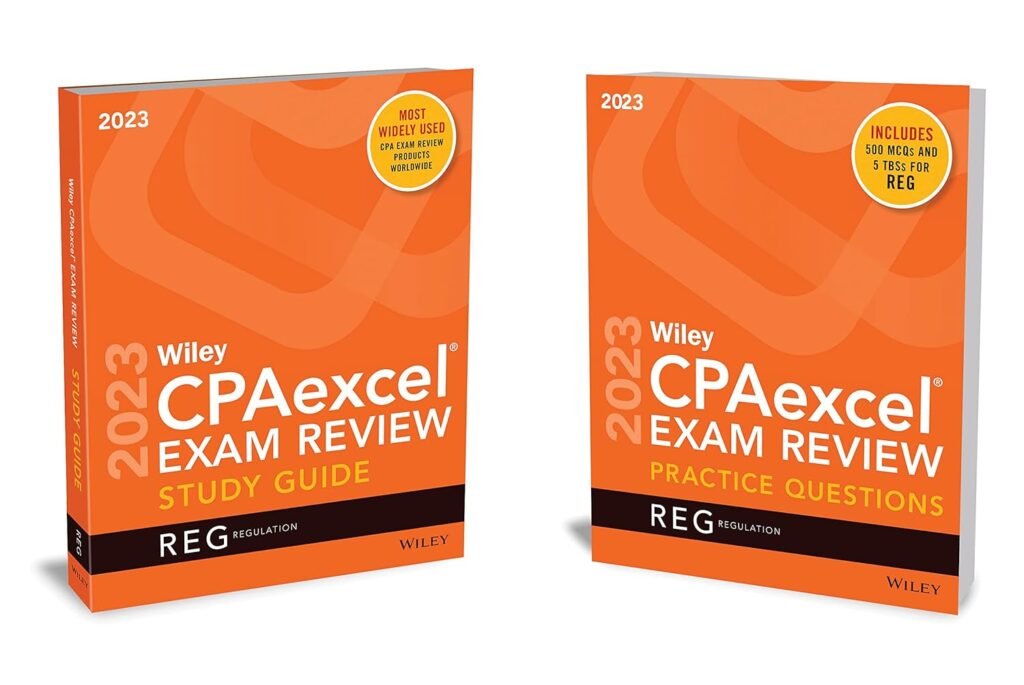
wiley cpa reg book 2023 pdf
CPA

Wiley CPA REG Book 2023 PDF: Complete Guide for CPA Regulation Exam Preparation

Wiley CPA REG Book 2023 PDF: ANALYzing the CPA Regulation (REG) exam needs to be prepared with trusted study material, which is organized and current. Among the most searched resources, the Wiley CPA REG Book 2023 PDF stands out as a preferred choice for CPA candidates who want comprehensive content, clear explanations, and exam-focused practice. A good number of applicants also seek the PDF version of Wiley CPA REG book to facilitate digital learning flexibility. This handbook provides a breakdown of all you need to know concerning the Wiley CPA REG Book 2026 such as its books content, PDF accessibility, legal status, applicability in present exams, and how best to study using this book. Significance of Wiley CPA REG Book to CPA Aspirants. The CPA REG section is characterized by technical profundity and the amount of regulations concerning taxation, business law, as well as ethics. Selecting the appropriate study material may have a great influence on the performance in exams. Wiley CPA books have been known to contain a systematic presentation and alignment with exams and being friendly to the candidate. The increasing popularity of the Wiley CPA REG book PDF indicates the change to the digital modes of study. The desire of the CPA study candidates is to have searchable portable materials that enable them to efficiently revise without the necessity of carrying hard copies. Review of the Wiley CPA REG Book 2023 eBook. The Wiley CPA REG Book 2023 is drafted to comply with the CPA Exam Blueprint that is relevant to that exam cycle. It is included in the Wiley CPA Exam Review system, which comprises of study guides, practice questions and online learning. The version is aimed at providing clarity of concepts but keeping the exams relevant. It can be used in first-time candidates and repeat test-takers who require organized revision content. Some of the major highlights are; simplified explanations of intricate tax regulations, rational organization on the subject of the exam based on the weight on the exams, the integration with practice question packs, and whether it is in print and digital versions. Wiley CPA REG Book 2023 Subject Coverage. One of the main reasons candidates search for the Wiley CPA REG Book 2023 PDF is its comprehensive syllabus coverage. All key areas in the REG exams have been covered in a moderate way in the book. The subject matter of ethics and professional responsibilities is the AICPA rules, Circular 230, penalties, and ethical obligations of tax practitioners. Federal tax practices include audits, appeals, penalties as well as rights of taxpayers. Individual taxation encompasses income regulations, deductions, credits and status of filing. The basis and distribution rules are explicated in business entity taxation of partnerships, corporations, and S corporations. Transactions in property take care of capital gains, the depreciation and transactions. Business law encompasses contracts, agency, negotiable instruments and secured transactions. Online Accessibility and PDF Digital Access. The convenience and the accessibility of a Wiley CPA REG book PDF makes it preferable to a large number of candidates. Wiley offers its materials digitally by making them accessible on the official platform upon the purchase of the CPA review package or the digital edition by the candidates. The PDF format enables searching by key-word, highlighting, annotation, universal access by many devices, and effective reviewing of documents in the last minutes. Wiley does not legally publish free downloadable PDFs and it usually is accompanied by licensed purchase. Learning about Free PDF Searches and Legal Issues. Search trends show a high volume of queries related to free downloads of the Wiley CPA REG Book 2023 PDF. As much as this is justified, candidates are advised to be wary. The illegal copies of PDF might be against the copyright laws, having old information, and putting devices into security risks. The accuracy, renewal, and ethical integrity provided by using official Wiley materials is also appropriate and complies with the professional standards anticipated of CPA candidates. Authenticated Methods of obtaining the Wiley CPA REG Book PDF. The Wiley CPA REG digital content is legally available to the candidates in the form of official Wiley CPA Exam Review purchases, authorized campus-based academic access, and in certain cases through institutional library access. Such options may involve the book PDF, as well as built-in learning features and updates. Question Pack Structure Study Guide. The materials of the wiley REG are separated into the study guide and the question pack. The study guide develops conceptual knowledge whereas the question pack provides multiple choice questions and task-based simulations based on the exam difficulty. Combining the two helps in increasing retention and application skills. Exam Simulation and Practice Question Volume. Experience is imperative to REG. Wiley CPA REG has excellent quantity of practice questions that have been created to examine the conceptual knowledge and practice. Exposure to pitfalls, exam level of difficulty, and detailed explanations will help the candidates improve on the weak areas. Applicability of the 2023 Edition to the Existing CPA Exams. The Wiley CPA REG 2023 book will be pertinent so long as there is no significant blueprint transformation. Principles of core tax and business law are the same, but applicants must never be tempted to rely on old editions but can always check the latest changes in the exams. As a Primary Study Resource, the Wiley CPA REG PDF will be used. Wiley CPA REG book PDF may be a powerful primary tool, particularly when it is used by those candidates who like to read in a form of structured reading. Nevertheless, it is more effective with the assistance of the question banks and simulations to develop the stamina and time management in exams. Determining Scammers of Wiley CPA PDF. Legitimate Wiley sources typically need an account log-in, contain official branding, and live in licensed environments. Download prevention helps to preserve the quality of content and academic integrity. Comparison of other CPA Review Providers. Wiley is more affordable, readable, and detailed as compared to Becker, Surgent, and Gleim. It is appropriate to

cpa reg book pdf​becker reg cpa book pdf​becker cpa books
CPA

CPA REG Book PDF Guide: Becker CPA Books, Access, Legality, and Updates

Becker CPA Books or CPA REG Book PDF: The CPA exam is a huge professional achievement, and the REG section is the one that bothers most of the time. Many candidates search online for terms like CPA REG book PDF, Becker REG CPA book PDF, or Becker CPA books, hoping to find quick and affordable study solutions. Nonetheless, misappropriation of availability, legality and exam relevancy may cause candidates to be misguided. In AG Bookkeeping services LLC, we normally mentor aspiring CPAs and accounting professionals seeking clarity before spending time and money in their exam preparations. This guide explains what CPA candidates need to know about REG study materials, how Becker CPA books work, and whether PDF formats are truly the solution candidates expect. CPA REG Section and Its Study Requirements: The CPA exam in the Regulation part is concerned with federal taxation, the business law, professional responsibilities, and ethics. Within the CPA Evolution model, the content of REG is constantly updated to match the existing tax rules and professional standards. Since REG is very rule driven, the outdated materials are easily invalidated. This is why CPA candidates often ask whether older CPA REG book PDFs are still useful. Using old PDFs in most instances may cause knowledge gaps and wrong assumptions in exams particularly where tax threshold or regulations are altered. The success of REG under the condition of physical or digital format requires the use of current and authoritative study material. What Are Becker CPA Books and What Do They Include? Becker CPA books are part of the Becker CPA Review system, one of the most widely used CPA exam preparation programs. Offering Becker CPA Review to the candidates, they obtain the possibility to study each of the exam sections, including REG, with structured materials. Becker CPA books typically include: An in-depth REG textbook. Practice questions and digital learning tools. Task-oriented simulations and simulated test. Constant content changes were in line with exam changes. It is important to understand that Becker CPA books are not sold as standalone downloadable PDFs in the traditional sense. Rather, it is availed in the form of the digital learning environment controlled by Becker. CPA REG Book PDF Explained: Expectations vs Reality Many candidates search for a CPA REG book PDF expecting a single downloadable file they can store, print, or share. This is to be expected based on the experience with older textbooks or even informal study notes. In reality, Becker does not distribute unrestricted CPA REG book PDFs. They have their digital textbooks in a licensed platform that aims at safeguarding the intellectual property and content accuracy. Although this can be limiting to the candidates, it keeps the study materials up to date and the exam in tandem. This difference can make the candidates not to be frustrated and full of expectations. Becker REG CPA Book PDF Availability Official Sources. One of the frequently asked questions is whether Becker REG CPA book PDFs can be found on official sources. Becker offers an online access to REG materials in the learning portal, without it being available in freely downloadable PDF. The strategy enables Becker to: Push real time updates on a change of laws or exam blueprints. Monitor student learning and progress. Ensure relevance and accuracy of exams. Get Access Now   Any site purporting to sell free Becker REG CPA book PDFs is most likely to be selling copyrighted material. These are incomplete, outdated and modified materials. Accessing Becker CPA Books After Purchase: After a candidate buys Becker CPA Review, he/she can get access to REG study materials via Becker online dashboard and mobile app. This answers another common query regarding how candidates actually access Becker CPA books. By means of the platform, candidates will be able to: Digitally read the REG textbook. Underline and save important points. Desktop/mobile switchover. Study on without external PDFs. This system is aimed at recreating the advantages of a textbook but with the interactive learning assistance. Purchase Here Publication and Non-Electronic Use of Becker REG Study Materials: The most frequent question that always comes up is whether Becker REG materials can be printed or downloaded to be used offline. Becker permits some of the parts to be printed under license limitations. Printing or exporting of PDF is not generally permitted. The online see functions can be offered to the candidates with the help of Becker mobile app where the candidates can resume their studies even when an internet connection is not there. This reduces the need for separate CPA REG book PDFs while maintaining content control and accuracy. Free Becker REG CPA Book PDFs: Academic and Legal Concerns It is not surprising that the search of free Becker REG CPA book PDFs is conducted, particularly by candidates who have limited funds. Nevertheless, unofficial PDFs have serious concerns related to them. The following risks are typical of unlicensed PDFs: This is due to outdated tax laws and exam contents. Lack of chapters or practice questions. Copyright violations False sense of security on poor information. The accounting candidates are expected to utilize pirated study materials, which are unacceptable professionally and ethically. AG Bookkeeping Services LLC has urged the applicants to employ authentic resources that portray professionalism. Becker CPA Books Compared to Other REG Study Options Becker CPA books are not the only REG study option available. Other CPA review companies provide different textbooks and occasionally in the form of downloadable PDFs. The Supplemental REG PDFs may serve to assist in: Quick concept reviews Other practice questions. Different teaching styles They are not however supposed to substitute a main, revised CPA audit system. Becker is still a favorite among a number of candidates because of its systematic method, constant revision, and exam oriented format. Becker REG Textbook vs Becker CPA Review Software: The other question that people ask a lot is the difference between Becker REG textbook and Becker CPA Review software. The textbook provides orderly descriptions of the concepts whereas the software incorporates the learning in terms of

Scroll to Top