
Managing personal finances can feel overwhelming, especially when juggling income, expenses, savings, and investments. A personal financial statement serves as your financial snapshot, clearly showing your net worth, assets, and liabilities at a glance. However, creating and maintaining this statement accurately can be challenging without professional help, and that’s where a personal bookkeeper comes in.
We’ll break down what a personal financial statement is, why it matters, and how hiring a personal bookkeeper can simplify your financial life. By the end, you’ll understand how these two work together to give you a clearer picture of your financial health
What is a Personal Financial Statement?
A personal financial statement is a document summarizing your financial position at a given point in time. If you are behind with your financial report. Bookkeeper will offer you catch up bookkeeping services. It shows:
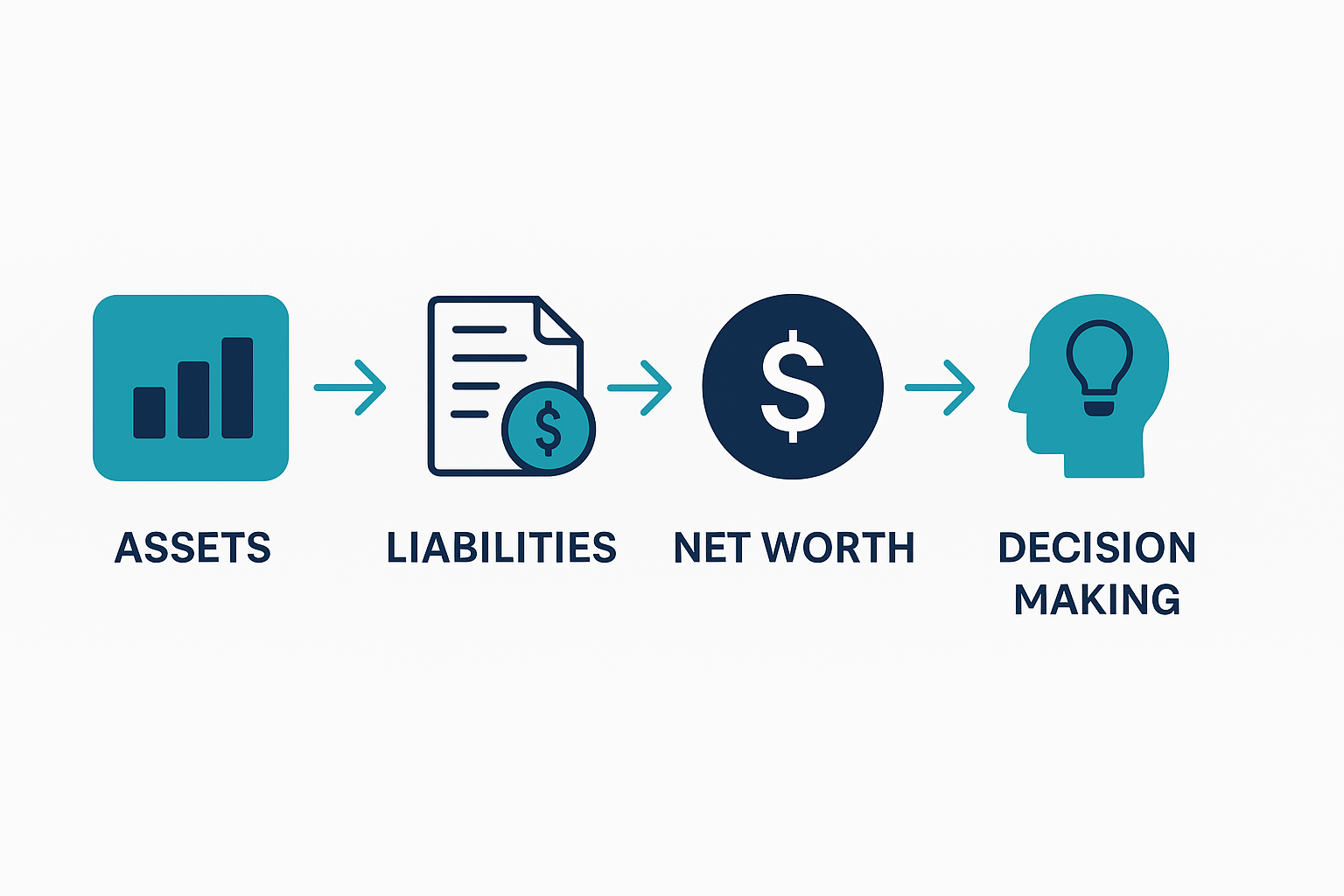
Assets: Everything you own that has monetary value, such as real estate, vehicles, investments, bank accounts, and personal property.
- Liabilities: Everything you owe, including mortgages, loans, credit card balances, and other debts.
- Net Worth: The difference between your assets and liabilities.
In simple terms:
Net Worth = Total Assets – Total Liabilities
This statement acts like your personal financial report card, helping you understand your overall financial health and readiness for future goals.
Why You Need a Personal Financial Statement
- Loan Applications: Banks require it when you apply for personal or business loans
- Financial Planning: It helps track progress toward saving or investment goals
- Net Worth Growth: You can see whether your wealth is increasing over time.
- Decision Making: It provides clarity before big purchases or investments.
Without it, you’re essentially navigating your finances without a map.
The Role of a Personal Bookkeeper in Your Finances
A personal bookkeeper is like your financial assistant. They track income, expenses, bills, and investments while keeping your records organized and accurate. Unlike accountants, who focus on taxes and high-level financial analysis, bookkeepers handle the daily details of your finances.
What a Personal Bookkeeper Does:
- Manages Transactions: Ensures every dollar is accounted for.
- Reconciles Bank Statements: Matches your records with actual bank data.
- Tracks Expenses: Categorizes spending to help you understand where money goes.
- Organizes Financial Data: Keeps your information ready for personal financial statements, taxes, and budgeting.
- Prepares Reports: Offers insights into spending habits and financial trends.
With a personal bookkeeper, you no longer have to worry about missing transactions or struggling with messy spreadsheets
How a Bookkeeper Helps with Financial Statements
One of the biggest benefits of hiring a bookkeeper is the ease with which they help you create and maintain your financial statement. Here’s how:
Accurate Data Entry
Bookkeepers ensure that every transaction from salaries to utility bills, is recorded correctly. This accuracy is critical because even small mistakes can throw off your financial statement.
Time Savings
Instead of spending hours reconciling bank statements, your personal bookkeeper handles the heavy lifting while you focus on your career, family, or business.
Up-to-Date Information
Bookkeepers keep your financial records current, so you always know your net worth without scrambling at the last minute.
Professional Reports
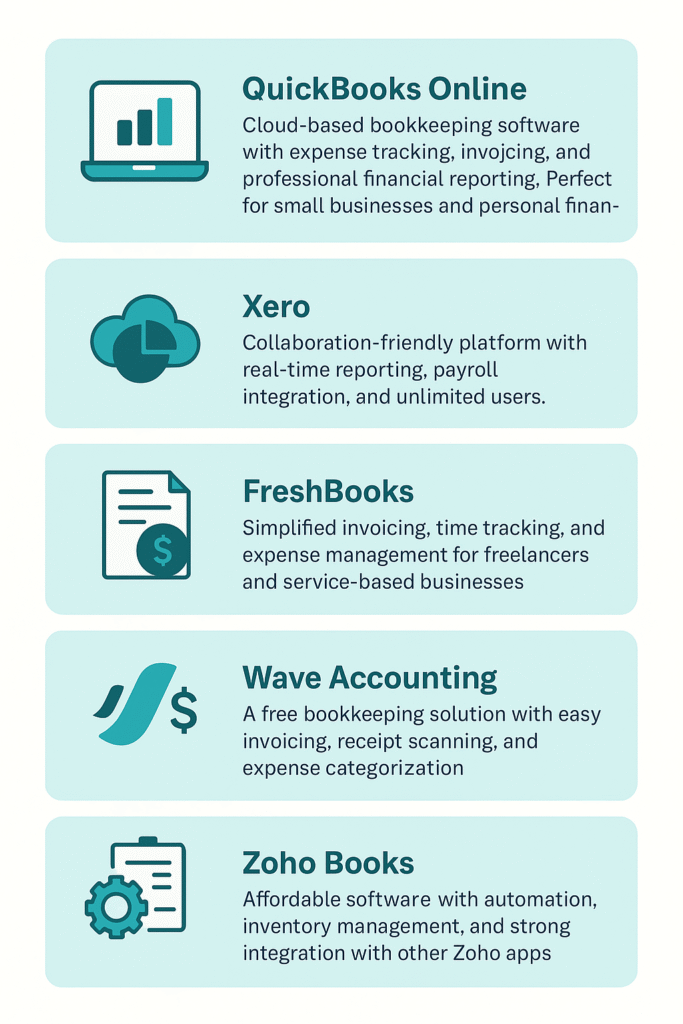
A bookkeeper often uses accounting software like QuickBooks or Xero to create professional, easy-to-read financial statements
Better Financial Decisions
With accurate and timely financial data, you can make informed choices about investments, debt repayment, and savings goals.
Benefits of Hiring a Bookkeeper
Here are some reasons people hire bookkeepers to manage their personal financial statements and overall finances:
1. Accuracy & Peace of Mind
Financial mistakes are expensive. Bookkeepers reduce errors, ensuring your financial records stay clean and accurate.
2. Saves Time
Managing finances manually is time-consuming. A personal bookkeeper frees up hours each month so you can focus on what matters most.
3. Budget Clarity
By categorizing expenses, bookkeepers identify areas where you may be overspending and help you stay within your budget.
4. Loan & Tax Readiness
Having a personal financial statement ready makes it easier to apply for loans or file taxes without the stress of last-minute scrambling.
5. Financial Growth Tracking
With accurate data, you can monitor whether your wealth is growing year after year.
How to Prepare a Financial Statement with Your Bookkeeper
If you’re ready to prepare a personal financial statement, here’s the typical step-by-step process a personal bookkeeper follows:
1. List Your Assets
Include real estate, vehicles, retirement accounts, savings, stocks, and personal property.
2. List Your Liabilities
Add mortgages, car loans, credit card debts, student loans, and any other obligations.
3. Calculate Net Worth
Subtract total liabilities from total assets.
4.
Your bookkeeper organizes everything into a professional report format using accounting software.
5. Review Regularly
Update the statement quarterly or yearly to track progress.
Tools Bookkeepers Use for Financial Statements
A bookkeepers often use software to make the process seamless and accurate. Popular tools include:
- QuickBooks Online: For expense tracking, budgeting, and financial reporting.
- Xero: Cloud-based accounting with excellent reporting features
- Excel/Google Sheets: For custom, simple financial statements.
- Personal Finance Apps: Mint or YNAB for expense categorization and budgeting
Your bookkeeper will select the most suitable tool based on your specific needs and financial complexity.
Cost of Hiring a Bookkeeper
The cost depends on:
- Number of transactions per month
- Financial complexity
- Frequency of reporting
Many personal bookkeepers charge hourly rates ($25–$60/hour) or offer monthly packages for ongoing support. Given the time and stress they save, many find the cost well worth the peace of mind. You can download the bookkeeping services price list PDF
Conclusion: Financial Clarity Starts Here
A financial statement gives you a clear picture of your finances, while a bookkeeper ensures everything stays organized, accurate, and stress-free. Whether you want better control over spending, need loan readiness, or simply want to grow your wealth, combining these two tools is a smart financial move.
If you’ve been putting off organizing your finances, now is the time to act. Hiring a personal bookkeeper ensures your financial statement is always ready, and so are you.